
Market Trends · Oct 26, 2026
Evaluating Quality in Indonesian Handicrafts
Explore key techniques and standards to assess the quality of Indonesian crafts, ensuring longevity and market appeal.
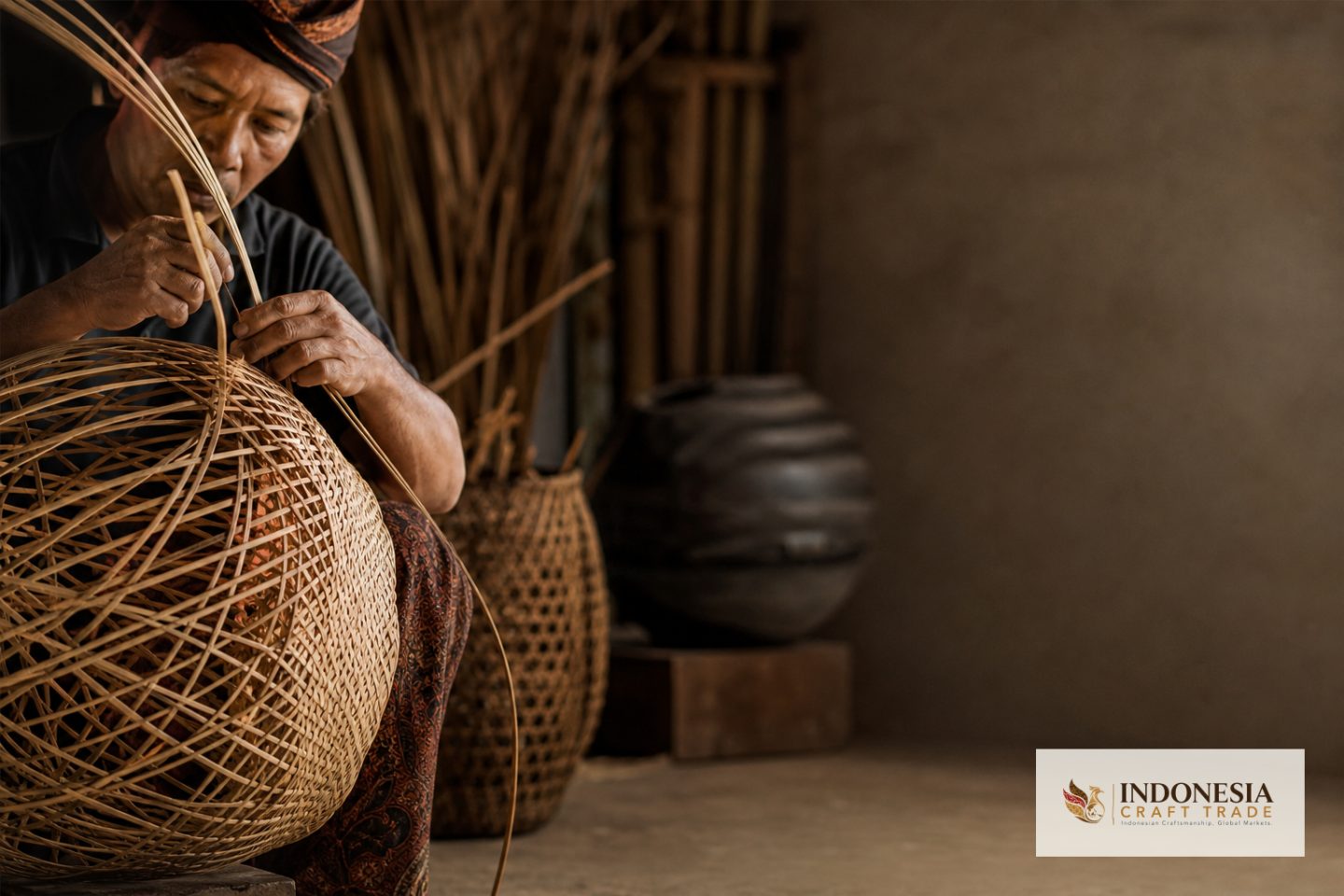
Indonesian handicrafts offer a rich tapestry of cultural heritage and artisanal skill. For international buyers, understanding the quality indicators of these crafts is essential for ensuring product longevity and market success. This guide highlights the techniques and standards to consider when evaluating these unique products.
Understanding Material Quality
The foundation of any high-quality handicraft is its material. In Indonesian crafts, materials range from natural fibers like bamboo and rattan to textiles such as batik. Buyers should inquire about the source and treatment of these materials. For example, sustainably harvested rattan not only supports environmental efforts but also ensures durability.
Inspecting the material's texture and consistency is crucial. For textiles, look for even weaving and vibrant, consistent coloring. In wooden crafts, the grain should be smooth and free of cracks. These indicators often reflect the care taken in material preparation, impacting the final product's longevity.
ICT offers curated sourcing services, ensuring that the materials used in the crafts meet high standards. This step is vital for buyers looking to maintain quality across their product lines.
Craftsmanship Techniques
The techniques employed by artisans greatly influence the quality of the final product. Traditional methods, such as hand-weaving and carving, often result in superior craftsmanship. Buyers should seek products where these techniques are evident, as they typically indicate a higher level of skill and attention to detail.
Understanding the time and skill involved in these techniques can also help buyers appreciate the value of the craft. For instance, hand-dyed batik involves multiple stages of waxing and dyeing, each requiring precision to achieve intricate patterns.
ICT's network of artisans across Indonesia can provide insights into the specific techniques used in crafting, allowing buyers to make informed decisions about the products they choose to source.
Evaluating Design and Functionality
A well-designed product not only looks appealing but also serves its intended function effectively. When evaluating Indonesian handicrafts, consider both aesthetic and practical aspects. Does the design resonate with your market's tastes? Is the product functional for its intended use?
Buyers should also consider the adaptability of designs for OEM or private label opportunities. Customization options can enhance market appeal, but it's important to ensure that changes do not compromise the craft's quality or authenticity.
ICT can assist in custom design processes, ensuring that the final product aligns with both the buyer's brand and the artisans' capabilities, maintaining a balance between innovation and tradition.
Quality Control and Inspection
Implementing robust quality control measures is essential to ensure that each product meets the desired standards. Buyers should establish clear quality benchmarks and work with suppliers who can consistently meet these criteria.
Pre-shipment inspections are critical. These inspections help identify any defects or inconsistencies before products are shipped, reducing the risk of returns and dissatisfaction. Buyers should ask suppliers about their quality control processes and request documentation of these checks.
ICT offers quality control and pre-shipment inspection services, providing peace of mind that products will meet the expected standards before they leave Indonesia.
Practical Next Steps for Buyers
Start by defining your quality standards and the specific attributes you value in the crafts you wish to source. This clarity will guide your interactions with suppliers and artisans.
Engage with a sourcing partner like ICT to leverage their expertise in connecting you with reputable artisans and ensuring quality control. Their services can streamline the sourcing process, from initial sampling to final shipment.
Finally, maintain open communication with your suppliers. Regular updates and feedback can help ensure that the products you receive continue to meet your quality expectations, adapting to any changes in market demand or consumer preferences.
Authentic craft creates value when heritage, people and global opportunity grow together.